

10 Simple Home Organization Ideas for a Clutter-Free Space
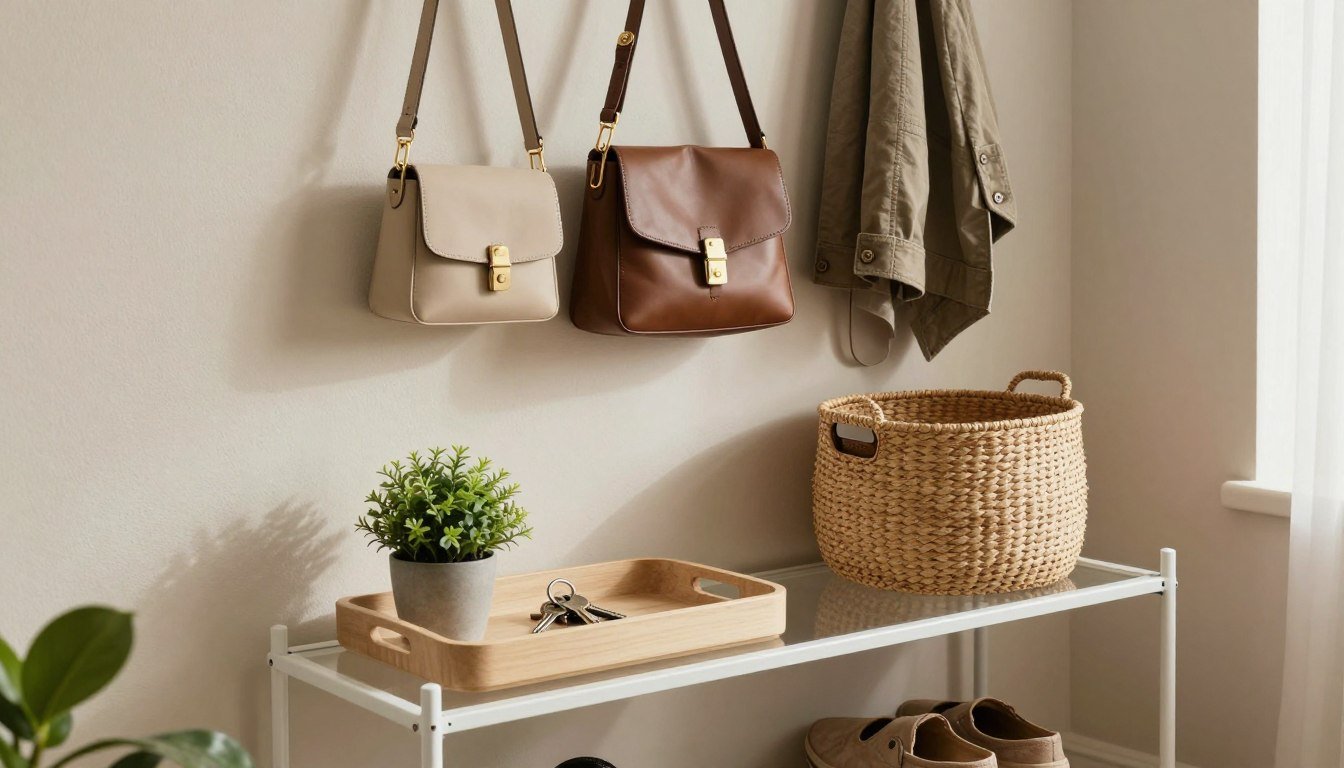
A calmer home starts with fewer obstacles between using an item and putting it away. Organization means giving belongings convenient homes, not making every surface bare. A zone is a small area assigned to a specific task and the items used for it. With useful home organization ideas, you can spend less time searching and more time doing what matters.
The ten ideas here cover sorting, room-specific storage, and upkeep. They focus on making your space easier to use, rather than making it look perfect. A well-chosen bin, a shelf, or a clear label can help, but only when it suits your belongings and routine. You do not need to copy a setup that works in a different home.
Clutter can collect when items lack a clear place or when putting them away takes too many steps. Small changes can help your rooms work better without a full makeover. You can adjust each idea to fit your space, schedule, and the people who use it. Start with one change you can keep using, not a system that needs constant upkeep.
Key Takeaways
- Sort belongings before buying storage.
- Start with a small area that causes daily frustration.
- Keep frequently used items close to where you use them.
- Use bins, hooks, and shelves only when they fit your belongings.
- Choose routines that match your household and available time.
- Give kept items a clear, convenient home.
Choose one small, frustrating area to improve first, rather than trying to reorganize the whole house in a day.
What Should You Do Before Organizing?
Before buying bins, take out the items you already know you do not use, need, or want. Sort first, so your home organization plan does not make extra storage for clutter. Decide what stays before choosing a container or shelf.
Clutter can grow from too many incoming items, unclear homes, or routines that make putting things away hard. Removing belongings can help, but a lasting change also needs a simple place and routine. Begin with one manageable category, such as mugs, craft tools, or socks, rather than emptying a whole room.
Start by removing what no longer earns its place
Work through a small group of things and keep the decisions visible. Use this order to avoid organizing items you plan to release:
- Pick one category you can finish in a short session.
- Remove obvious trash and items in good shape for donation.
- Decide which belongings you use or value now.
- Group the items that remain by type or task.
- Plan storage for those groups, then measure before shopping.
Some people use a decluttering challenge to build momentum. One 2026 challenge suggests removing 2,026 items during the year, averaging six a day with 27 days off. Its author reported removing 2,818 items in 2023, 2,024 in 2024, and 2,025 in 2025. Those are personal results, not survey findings or a standard you need to meet.
Make decisions with a simple keep-or-release rule
The five-second decluttering rule asks you to choose quickly: keep an item if you can name its place, and let it go if you cannot decide. Think of it as a prompt, not a test you must pass. Important papers and items that need a considered choice deserve more time.
Keep an item when it has a useful place in your current life. Pause when a decision needs more than five seconds.
Group the remaining belongings in a way that matches how you use them. A category-based decluttering approach means sorting by type before assigning storage. You might group baking tools together or put all spare chargers in one pile. That view can reveal duplicates and show whether a planned bin will fit.
Keep the things that support your current life, and pause on any decision that needs more thought than a five-second test.
Which Home Organization Ideas Should You Start With?
Start where clutter costs you the most time or makes an everyday task harder. Choose friction you notice often, such as a crowded entry, a hard-to-use kitchen, or clothes buried in a closet. A small project with a clear finish line is more useful than a whole-home overhaul.
Pick an area you can improve in a few available minutes. A drawer, one shelf, or the spot where bags land can be enough. A clear result helps you see what works before you take on another task.
There is a reason to take clutter seriously, without treating it as a health diagnosis. A 2025 study in the Journal of Environmental Psychology found that people who viewed their homes as more cluttered reported lower well-being and life satisfaction, plus more negative feelings. The finding shows an association, not proof that clutter alone causes poor health.
A 2010 study looked at 30 middle-class, dual-income families with at least one young child in a large U.S. city. Wives who described their homes as more cluttered and unfinished were more likely to show a daily cortisol pattern linked with adverse health outcomes. Researchers did not find the same association for husbands. The result applies to that study group, not every person or household.
Try home organization ideas that help with one repeated annoyance. If you lose keys each morning, focus on the entry. If you cannot find a pan, pick a kitchen cabinet. The best organization ideas are the ones that change a task you actually do, not an imagined future routine.
A single drawer or entryway zone is a realistic first win when the whole house feels overwhelming.
How Can You Create an Easy Drop Zone?
Give keys, shoes, coats, and incoming papers one clearly marked place near the door. Keep it simple with a hook, a shoe basket or rack, and a tray or marked spot for keys. Put daily carry items where you can reach them on the way in and out.
A drop zone can hold the things that otherwise travel across the house. Choose a small setup that fits the door area and your routines. A hallway without a closet can use wall space and one basket instead of bulky furniture.
Use these parts to set up an entry that is easy to reset:
- Hooks for coats, bags, and reusable shopping totes.
- A shoe basket or rack near the door.
- A tray or marked spot for keys and small daily items.
- A paper inbox or action slot for mail that needs attention.
Incoming mail should get one of three decisions as it arrives: act on it, give it a designated place, or remove it from the home. An action slot can hold a bill you need to pay or a form you must complete. Keep the slot small so papers stay visible and do not become permanent storage.
Hooks work well when the wall can support them and the door still opens freely. If you rent, check the attachment method and any wall rules before adding hardware. A basket can gather shoes, but leave enough room to walk safely past it.
Give each item a clear place instead of spreading a dozen small bins around the entry. The goal is a quick landing spot, not a new project to maintain. Empty the paper inbox on a regular day so it stays a short-term landing spot rather than another storage pile.
How Do You Make Kitchen Storage Easier?
Group pantry and refrigerator items by the way you use them, so a quick glance can show what is available. Use clear groups for breakfast, cooking, snacks, and food storage. Keep the things you reach for most often easy to see and return.
A cooking zone might hold oil, spices, and cooking tools near the stove. Keep breakfast food together, and group snacks where they are easy to find. Clear containers can help with dry goods when they fit the food and cabinet, but you do not need to decant every package.
Group food and supplies by how you use them
A turntable can bring bottles at the back of a deep cabinet forward. A riser can lift short jars behind taller items. In the refrigerator, arrange food so you can see what needs to be used. Too many bins can reduce flexibility when package sizes change.
A UCLA study conducted from 2001 to 2005 documented 32 Los Angeles families. Their refrigerator fronts held 52 objects on average, while the most crowded held 166. That count describes refrigerator doors in the study; it is not a target for how many objects to keep.
Make drawers and cabinets easier to reach
Choose a solution based on the cabinet or drawer problem, not its appearance alone. Listed prices and fit details can help you compare options before measuring:
| Solution | Useful for | Limit to check |
|---|---|---|
| Divided turntable | Bottles in a deep cabinet | Cabinet depth and divider height |
| Riser | Short jars behind taller items | Shelf height and jar stability |
| Magnetic stove shelf | Frequently used spices | Listed at $39.99 or more; three types and three sizes |
| Slim cutlery organizer | Narrow kitchen drawers | Listed at $11.19; check inner width |
Measure the inside of the drawer or shelf, including the space near handles and appliance doors. A narrow cutlery organizer can waste space if its edges block the drawer. A shelf near the stove also needs a safe fit for the items you plan to store.
Measure a drawer or shelf before buying an organizer, especially where handles, plumbing, or appliance doors limit clearance.
Which Small-Space Storage Fixes Save the Most Room?
In a small room, look for unused wall height, the back of a door, and narrow gaps before adding another floor-standing unit. Go vertical first to gain storage without giving up much floor space. Choose a fix that holds items you use often and fits the room’s clearances.
Cabinet doors can hold light tools, and wall hooks can free up a shelf. A slim cart may fit between appliances or furniture, while an over-the-door organizer can use space behind a door. These DIY home organization ideas work best when you check the actual item and opening first.
Use doors, walls, and narrow gaps
Storage that moves upward can help with organization ideas for small spaces. In a UCLA study of 32 Los Angeles families, 75% of their garages had cars displaced to make room for household goods. That finding shows how storage can take over a floor area, not how every garage must be arranged.
For home organization tips for small apartments, start with vertical space and the belongings used every day. Apartment organization ideas can include hooks behind a door or a shelf above a work area. Renters should check attachment methods and door clearance before installing anything.
Choose storage that fits the actual item
Listed product details can help you compare compact options. Check the door swing, wall surface, and size of the items first.
| Storage fix | Listed price | Best-fit use |
|---|---|---|
| 10-pack Command hooks | $12.32 | Measuring cups inside kitchen cabinets |
| Adjustable closet doubler | $17.97 | Adding a second hanging level |
| Slim storage cart | $19.99 | Narrow gaps between appliances or furniture; five colors |
| Over-the-door shoe organizer | $14.99 | Shoes, toiletries, hairbrushes, or spice packets; four colors |
| Magnetic stove shelf | $39.99 or more | Frequently used spices; three types and three sizes |
Command hooks can hang measuring cups inside a cabinet, while a closet doubler creates another hanging level. The shoe organizer can hold small toiletries or spice packets when shoes are not the best fit. A cart only helps when it can roll out without blocking a walkway.
Measure both the storage item and the path of a door or drawer before committing to a fit.
How Can You Make a Closet Work Harder?
Make the clothes and linens you use most visible before finding extra places for less-used items. Start with access, then add shelf bins for seasonal belongings. Remove unworn clothing before adding a new closet system.
Slim hangers can save room when they suit the garment and support its shape. Use labeled bins for out-of-season items on a high shelf. Keep everyday clothes within reach, and leave room for hangers to slide without catching.
Pinterest’s 2026 Spring Trend Report says searches for “laundry room organization small space” rose 390%, while “fridge organization aesthetic” rose 375%. These figures show interest in small-space organization, not proof that one closet setup works for everyone.
| Option | What it holds | Best use |
|---|---|---|
| Specialty hanger two-pack, $15.99 | Leggings hanger holds 10 pairs; hoodie hanger holds six hoodies | Grouped garments that fit the hanger |
| Labeled shelf bins | Out-of-season clothes or linens | Keeping less-used items together |
| Backward-hanger test | Clothes turned around on hangers | Spotting pieces not worn over several months |
The backward-hanger test helps when you are unsure which pieces you still wear. Turn those garments around, then review them after several months. Keep pieces you have worn; consider releasing the rest if they no longer suit your life.
A linen closet can also hold towels and spare sheets, but avoid stacking so high that items fall. Label bins with plain names instead of labels that require a key. A shelf should make it easy to take one item without disturbing the whole pile.
Leave enough room for hangers to move, or the closet will be hard to use even when every item has a designated place.
What Keeps Bathroom and Laundry Supplies in Order?
Put laundry and bathroom supplies close to the task that uses them, then separate clean clothes, dirty clothes, and sorting space. Keep daily supplies handy by grouping them into hair, body, skin, first aid, or laundry categories. Frequently used items should stay within easy reach.
A bathroom organizer can sit near the sink or shower if it does not crowd the space. Laundry supplies belong near the washer when possible. A narrow cart can serve a laundry room if it fits the gap and leaves a clear path.
Use the option that fits the room and the task. Check how moisture, surfaces, and movement may affect each choice.
| Option | Useful for | Check before using |
|---|---|---|
| Separate clean and dirty laundry baskets | Keeping clothing groups apart | Basket size and floor space |
| Clear laundry sorting surface | Folding or separating clothes | Enough room to work safely |
| Mesh-pocket shower-curtain liner | Bath items near the shower | $16.20 or more; two colors; damp pockets |
| Angled-shelf suction-cup shower caddy | Shampoo and bath supplies | $39.99; check suction surface and load |
Separate baskets for clean and dirty laundry can prevent a clean load from mixing with worn clothes. Keep one clear surface for sorting clothes, as a crowded counter makes folding harder. Use a liner with mesh pockets only for items that can handle a damp room.
Suction cups may not hold well on every shower surface, especially when the wall is uneven or wet. Keep heavy bottles low and within reach. A caddy should not block the shower controls or make it harder to step in and out.
Keep the floor and the path to the washer or shower clear enough for safe, comfortable movement.
How Can Living Rooms Stay Tidy Without Hiding Everything?
A tray can make a clutter-prone coffee table easier to reset without hiding the items used every day. Contain small things such as remotes, coasters, and cords in one spot. Choose concealed storage for visual clutter and open display for things you enjoy seeing.
A basket or box can hold blankets and remotes when they are not in use. Keep it near the sofa, but avoid making the walkway tight. A coffee table tray gives small objects a boundary and makes it easier to clear the surface.
Open shelves can display books, framed photos, or a few favorite objects. Pegboards and hooks can serve as functional display when the visible arrangement feels calm, not crowded. Choose only the items you want to see each day.
Pinterest’s 2026 report says searches for “comfy reading chair small spaces” rose 455%, and “closet reading nook for adults” rose 55%. Those search trends suggest interest in reading nooks and small-room seating. They do not show that a certain setup improves comfort or room use.
Try one chair and a small reading light before rearranging the whole room. If you use an open shelf, leave some space around displayed items. A full shelf can make a room feel busy even when every object has a home.
Keep only what fits the tray or basket so a catchall does not become a new clutter pile.
How Can You Organize Kids’ Things Without Making More Work?
Kids are more likely to put things away when their storage is easy to reach and easy to understand. Make the choice clear with low shelves, simple labels, and bins they can carry. A child should be able to return an item without an adult rebuilding the system.
Low shelves and hooks make it easier for children to put away toys, coats, and bags. IKEA KALLAX is one cube-unit example, with inserts that can create cabinet or drawer storage. You do not need that specific unit; use furniture that fits the room and the child.
Choose practical options that match the things children use:
- Sort toys by type, such as blocks, dolls, and games.
- Use accessible bins or open shelves for everyday things.
- Keep art supplies in a portable cart that an adult can move.
- Label hand-me-downs by size so clothes are easier to find later.
- Set aside one donation spot for items no longer used.
One-in, one-out pairs a new toy or clothing item with an older item to donate or release. It can help limit how much accumulates, but it is one option, not a rule for every family. Some items may be borrowed, passed down, or needed later.
Keep art supplies where an adult can check small parts and messy materials. Use picture labels if words are not useful for the child. A bin that is too deep can hide small toys, so choose one the child can sort without dumping everything out.
Keep the system simple enough that a child can follow it without an adult rebuilding it each day.
What Can You Do With Paper, Photos, and Sentimental Items?
Separate essential records from memorabilia before deciding how much paper storage you need. Give keepsakes a boundary with a clearly sized container, rather than forcing a quick emotional choice. Keep essential originals when a scan cannot replace them.
Sentimental belongings can be harder to sort than routine household items. One decluttering challenge author recommends limiting keepsakes to one box and baby or toddler items saved for visiting guests to a separate box. Treat those limits as a guide, not a demand to discard something meaningful before you are ready.
Make separate groups for records, photos, cards, and memorabilia. A paperless filing approach can include scanning important documents and keeping a digital copy. Organize files by subject or year so you can find a tax form or family photo later.
A scan does not replace an original document when the original is needed. Keep legal records and papers with practical value in a secure, known place. Back up digital records so a lost device does not erase your only copy.
Photographs can be stored by year or event, but use a naming system you will remember. For digital files, a folder called “Family photos” is clearer than a string of vague labels. Add a second backup on a separate drive or secure account.
Use one box to set a limit on space, not to judge the meaning of each object. You can revisit a difficult choice after daily categories are done. Keep originals that serve a legal, practical, or deeply personal purpose, and give the remaining digital files a clear folder and backup plan.
How Do You Keep Surfaces and Drawers from Becoming Cluttered?
Give every frequently used small item a home that is easier to reach than the nearest countertop. Use a small boundary, such as a divided tray for drawer groups or a bowl for keys. Keep one useful surface clear for a task you do often.
A drawer with several distinct categories can use dividers to separate pens, batteries, and tape. A small tray on a table can hold pocket items without spreading them across the surface. Do not add containers simply because an empty spot exists.
For low-stakes items, the five-second rule can serve as a quick prompt: decide whether the item has a useful home. If the answer is unclear, set it aside for a later choice instead of forcing a decision. Keep important documents out of this quick sort.
One common mistake is buying drawer dividers before measuring the drawer or deciding which items belong there. Dividers that do not fit can make the drawer harder to use. First group the items, then measure the inside width and depth.
Leave one surface open for sorting clothes or another active task. A clear spot can be a counter, table, or laundry surface, depending on how you use the room. It should stay available rather than becoming a permanent landing pad.
Leave at least one useful work surface clear instead of filling every open space with storage.
What Daily Habits Keep an Organized Home Going?
A few repeatable put-away habits matter more than occasional marathon organizing sessions. Choose a small reset that fits the way your home works. Use a routine you can repeat on ordinary days, not only when everything feels messy.
A sample daily routine can cover six simple actions:
- Return misplaced belongings to their usual homes.
- Clear one surface used for work, meals, or sorting.
- Handle incoming mail by acting, filing, or removing it.
- Put away one load or category of laundry.
- Reset the kitchen after use.
- Prepare keys or bags in the drop zone for tomorrow.
These six actions are a sample, not a requirement for every household. Choose two or three that remove the most friction, then fit them around your day. A busy home may need a different routine than a quiet one.
The author of a 2026 decluttering challenge says removing five items a day adds up to 1,825 items a year. That can be an optional habit, not a measure of whether your home is organized. You may choose a few items only when you spot things you no longer need.
Keep a routine short enough to finish without turning every evening into a cleaning session. Returning a misplaced item while walking to another room can save a separate trip. A visible drop zone also makes it easier to prepare for the next morning.
Choose the two or three actions that remove the most friction in your household, then attach them to an existing daily routine.
What Should You Clean in Your House Every Week?
A useful weekly plan covers bedrooms, kitchen, bathroom, laundry, floors, and household tasks that are easy to forget. Set a base schedule for each room, then adjust it to use. Weekly cleaning is not the same as deep cleaning every task every week.
A weekly checklist can keep supplies and tasks from slipping through the cracks. Your house may need more or less work based on its size, activity, pets, and how much dirt comes indoors.
Room-by-room tasks for a weekly cleaning plan
- Bedrooms: dust surfaces, wash bedding, vacuum or mop, and return misplaced items.
- Kitchen: sweep and mop, wipe appliances, organize the refrigerator and pantry, scrub the sink, and clean counters.
- Bathroom: scrub the toilet, disinfect the counter and sink, clean the shower and mirrors, and restock soap and toilet paper.
- Laundry room: remove clutter, clean dryer lint, wipe machines, and sweep and mop the floor.
- Household planning: review the calendar, plan the week, make shopping and errand lists, wash bath towels, and clean the car.
Adjust frequencies for your household
A weekly checklist author cleans appliances, mops, and scrubs the sink weekly. In her home, sweeping, loading the dishwasher, and disinfecting counters happen daily. That split shows how a task can fit a home’s real use, not a fixed rule for every kitchen.
Housekeepers recommend changing sheets once a week, or twice a week when pets sleep in the bed. A quick daily toilet clean can handle visible mess without a daily deep clean. In a home where dogs track dirt inside, a housekeeper recommends brushing floors most days and mopping regularly.
Pinterest’s 2026 Spring Trend Report says “cleaning list by room step by step” searches rose 175%, “natural cleaning” rose 545%, and “vinegar cleaning solution” rose 165%. These are signs of search interest, not proof that a cleaner or method is safer or more effective.
Adjust the checklist to the amount of use each room gets, and do not mistake a quick daily clean for a full deep clean.
How Do You Set Up a Simple Sunday Reset?
A Sunday reset can make the week feel more manageable by gathering planning and small household tasks in one routine. Keep the focus practical, with a few choices that help you start the week ready. Set a time limit before you begin.
Use a short list of reset actions so the routine does not become another large project. Pick the tasks that suit your schedule and the next few days.
Review the week and prepare essentials
- Check the calendar for appointments and busy days.
- Plan meals or make a shopping list.
- Write down errands that need to happen.
- Return misplaced items to their homes.
- Prepare laundry or clean towels for the week.
- Clear one high-use surface.
A weekly checklist recommends reviewing the calendar, planning the week, and making shopping and errands lists. Those steps help you spot needs before a rushed morning. Keep the plan where you can find it, such as a paper calendar or shared digital list.
Keep the reset short enough to repeat
Choose a realistic time limit, such as 20 or 30 minutes, and stop when it ends. If other people share the work, split tasks in a way that feels fair. One person can check the calendar while another clears a surface or sorts laundry.
Pinterest’s 2026 Spring Trend Report says searches for “Sunday reset list” rose 65% and “Sunday reset aesthetic” rose 55%. Those figures show search interest, not proof that a Sunday reset improves results for every household.
A reset can happen on another day if Sunday does not suit your schedule. The point is to gather a few planning steps into a repeatable block. End the reset when the essentials are ready, even if less important jobs remain.
When Should You Hire an In-Home Organizer?
Consider an organizer when you know what needs to change but cannot make progress alone. Hands-on help may suit a project that feels stalled, a shared household system, or work made hard by time or access needs. You do not need a paid service to organize your home.
An in-home organizer can help sort belongings and create storage systems with you. Virtual support offers guidance from a distance. Ask which format fits the project and whether you want someone beside you or help making a plan.
The KonMari method sorts belongings in five categories: clothing, books, paper, komono or miscellaneous items, and sentimental pieces. It is one named method, not a requirement for every home. You can use its order or choose a different approach that fits your needs.
Before booking in-home organization services, ask what the session covers and which rooms are included. Find out how the organizer handles supplies and whether follow-up support is available. Professional decluttering and organizing tips can be useful, but clear expectations matter more than a polished system.
Ask how decisions stay in your hands and whether the organizer will work at a pace you can manage. Clarify whether the service includes hands-on sorting, storage planning, or both. Before booking, agree on the room, goals, and tasks the service will cover.
Conclusion
An organized home does not need to be perfect to make everyday tasks easier. A useful system fits your space and habits, and it can grow as your needs change. Starting small gives you room to learn what works before you change more.
Set aside a short time today to declutter one drawer, entry zone, or shelf. Decide where the items you keep belong, and release what no longer serves you when you are ready. Pick one small area, give the things you keep a clear home, and begin there.