
Budget-Friendly Home Improvement Ideas to Refresh Your Space
A room can feel noticeably fresher after one well-chosen change, even when a full renovation is out of reach. Budget-friendly home improvement ideas can help you make your space easier to use, more comfortable, or simply nicer to come home to.
Some projects take less than an hour, while others need a careful budget and a free weekend. You can choose a quick reset, a small repair, or a DIY change that fits your skills and tools. Comfort and function matter just as much as appearance.
Start with the parts of living that feel awkward each day. A clear entry, better light, or a fixed floor gap may help more than a costly new feature. Choose improvements around the way you live, not just the way a room photographs.
Key Takeaways
- Choose one main goal before buying supplies.
- Set a spending ceiling and keep a contingency reserve.
- Match DIY work to your skills and the job’s safety needs.
- Try small changes before replacing working fixtures or cabinets.
- Focus on comfort and daily use, not trends alone.
Budget-Friendly Home Improvement Ideas That Fit Your Priorities
Start with the annoyance or unmet need you notice most often, rather than with a room that simply looks dated. A useful project can improve comfort, daily function, appearance, or readiness for a sale. One goal helps you spend with purpose.
Choose one main priority before you shop. A recent survey found 65% of respondents completed a home project in the past year. Painting led at 43%, followed by outdoor living at 39%, bathroom remodels at 38%, and landscaping at 34%.
Pick one main goal first, then let it guide your project and purchases.
Plans for the next 12 months also favored painting at 36%, landscaping at 34%, outdoor living at 31%, and bathroom remodels at 29%. These numbers suggest that many people begin with visible, familiar work.
Appearance motivated 19% of renovations, and comfort or livability motivated 18%. Resale value motivated 8%. High costs held back 54% of respondents, while finding trusted professionals challenged 28%, and lack of time affected 25%.
Your timing matters, too. Finally having time triggered renovations for 40% of homeowners, while feeling financially ready prompted 36%. You do not need to solve every room at once.
- Comfort: Fix a draft, poor light, or room that feels hard to use.
- Daily function: Clear a crowded counter or improve a busy entry.
- Appearance: Refresh a worn surface or dated detail.
- Preparing for a sale: Focus on visible upkeep and buyer-friendly choices.
Set the project size around your available time, money, and skill. If a larger job depends on a contractor, include the time needed to find someone you trust. Write down one clear goal for the project before comparing products or paint colors.
Set a Renovation Budget Before You Start
A sound budget starts with the maximum you can comfortably spend, not the largest project you can imagine. Set a ceiling, then treat it as a limit rather than a target. That leaves you room to make choices without spending simply because money remains.
Your real limit should account for bills, savings, and the amount you can put toward the work without relying on debt. Median renovation spending was $20,000 in 2025, unchanged from 2024. Planned median spending for 2026 was $15,000, down from $20,000 planned for 2025.
Here is how reported renovation plans and spending compare. “Not reported” means no figure was reported for that year, not that spending was zero.
| Measure | 2024 | 2025 | 2026 |
|---|---|---|---|
| Median renovation spend | $20,000 | $20,000 | Not reported |
| Planned renovation spend | Not reported | $20,000 | $15,000 |
| 90th-percentile renovation spend | $140,000 | $150,000 | Not reported |
| Homeowners planning projects | Not reported | 52% | 50% |
Set a ceiling that fits the house
In 2025, 37% of homeowners went over budget, while 35% stayed on target. Three-quarters set an initial budget. Those figures show why it helps to write your limit down before work begins.
A common 30% renovation rule suggests keeping renovation spending within 30% of a home’s value. For a $400,000 home, that guideline equals $120,000. It is a rule of thumb, not a required cap or a spending goal.
Renovation costs average about $15-$60 per square foot, while some projects average as much as $150. Scope, materials, and house age change that figure. Homes built before 1940 had renovation spending 50% higher than other homes.
Build in room for surprises
A contingency reserve is money set aside for unexpected project costs rather than planned materials or labor. Add at least 10% for unexpected expenses; another common rule suggests setting aside 10%-20%.
Keep that money separate from the planned project cost. In 2025, 84% of homeowners used savings to fund renovations, and 34% used credit cards. Credit-card use rose five percentage points from the prior year.
The 90th-percentile renovation spend reached $150,000 in 2025, up from $140,000 in 2024. That increase shows how far large projects can stretch. Keep the contingency reserve separate from the money already committed to materials and labor.
Which DIY Home Projects Are Safe for Beginners?
Painting a wall or swapping cabinet pulls is a reasonable first DIY project, while work behind walls calls for a more careful skills and safety check. Begin with visible, limited work that you can stop and inspect as you go.
Leave electrical changes, plumbing moves, structural alterations, permits, and hazardous materials to qualified help when you lack the needed skill. A small mistake in hidden systems can lead to damage, safety risks, or costly repairs.
Good first projects for a careful DIYer
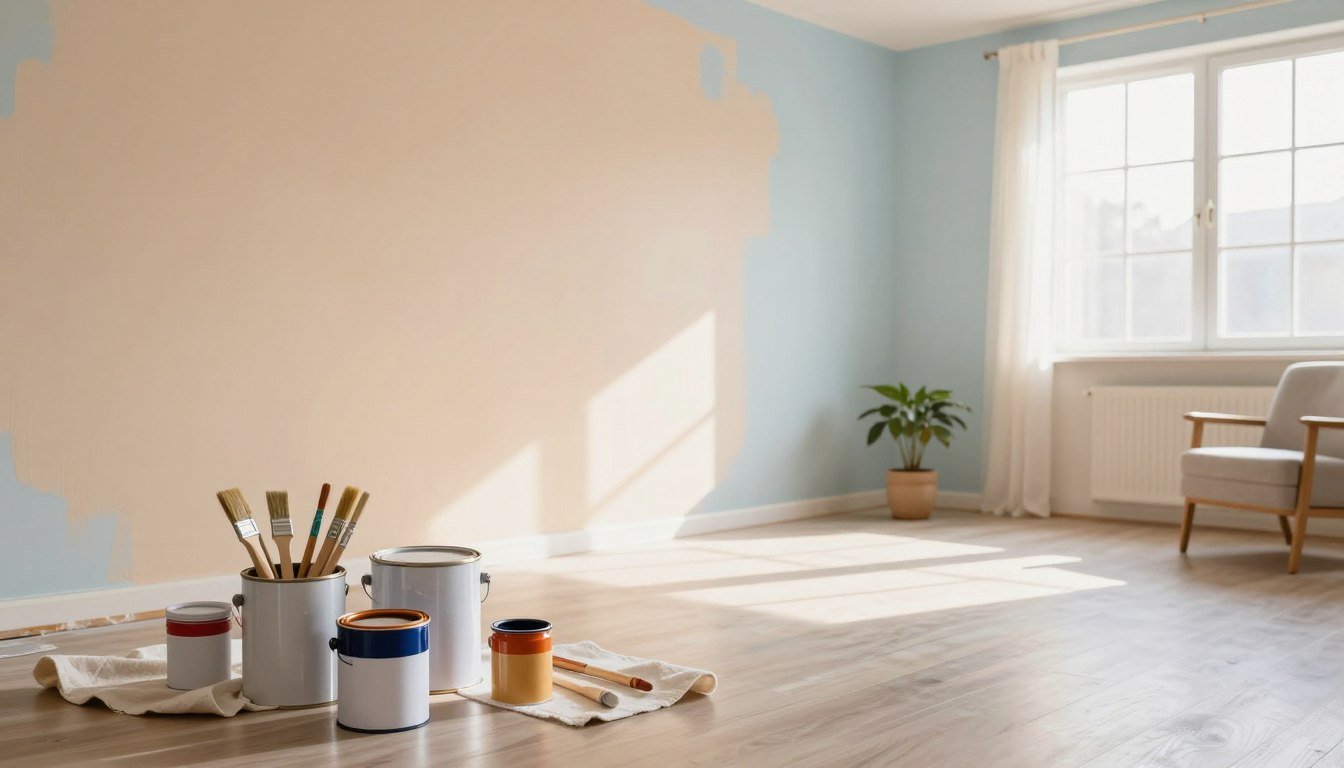
Painting a small room, replacing cabinet hardware, patching small nail holes, and installing shelf liner are good beginner tasks. They need basic tools and let you work in a defined area. Read product directions and protect nearby surfaces.
Labor accounts for 50%-60% of total renovation costs across the industry. Doing a simple task yourself may cut labor costs, but only if you can complete it safely and well.
When a contractor is the safer choice
Electrical work, plumbing moves, structural changes, and jobs that need permits call for a clear skill check. Hidden damage or hazardous materials can also turn a small-looking job into a risky one.
A Homewyse project-management estimate illustrates basic, mid-range professional work with popular, in-stock products. It is not a guaranteed quote. Actual costs change with project conditions, labor options, and material choices.
| Estimate item | Included in the base estimate | Budget treatment |
|---|---|---|
| General contractor overhead and markup | Excluded | Add 13%-22% if applicable |
| Permits and inspections | Excluded | Budget separately |
| Sales tax on materials | Excluded | Budget separately |
| Hazardous-material testing or remediation | Excluded | Budget separately |
The estimate also excludes work not specifically listed. Compare estimates by checking what each one includes, rather than looking at the starting number alone.
Small DIY work can save money, but expertise matters when a job involves hidden systems. If the job involves permits, hidden damage, or hazardous materials, price professional help before opening the wall.
Simple Home Improvement Ideas for Small Spaces and Small Houses
In a small room, the most affordable upgrade may be reclaiming a surface or fixing one daily nuisance. Start with a small area that feels crowded or awkward, then choose a change that does not take up more floor space.
Easy home improvements can make a compact room more useful without a major remodel. Clear one counter, reset an entry drop zone, add hooks inside a closet, or restyle one shelf. A simple wooden floor threshold can bridge a small floor gap; one homeowner paid $7 for one.
These ideas suit small houses because they improve function without taking up more floor area. They also work well for renters, since many require little commitment and can be removed or changed later.
Try five small-space actions that give a room more order without adding bulky furniture:
- Clear one surface, such as a counter, desk, or nightstand.
- Corral cords with clips or a simple cord cover.
- Hang a mirror or art to draw the eye upward.
- Use hooks inside a cabinet for light tools or towels.
- Define a zone with a small rug or mat.
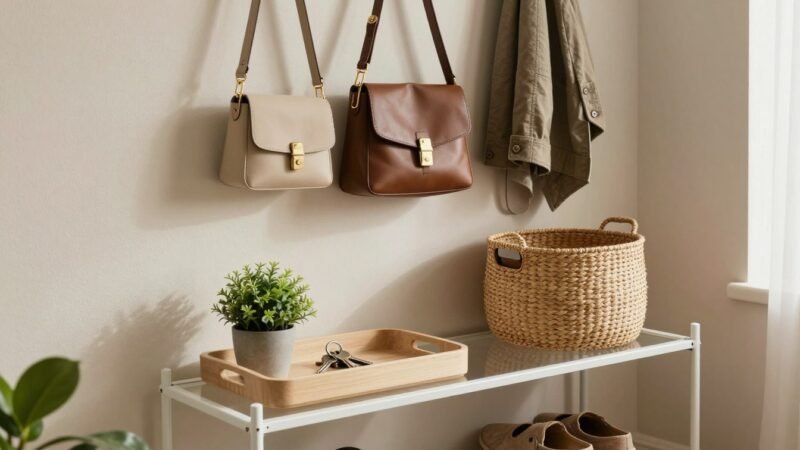
Keep the entry simple: give keys, mail, and bags one home instead of spreading them across a table. In a closet, hooks can hold items that would otherwise land on a chair or floor.
A threshold can cover a narrow gap between two floor surfaces, but measure the opening first. Pick a style that suits both sides and does not create a trip hazard.
Restyling one surface can be as simple as removing extra items and keeping only what you use or enjoy. Set a timer and finish one clearly bounded area before starting another.
Ten Small Upgrades That Make a Big Difference to Lighting
A change in bulb color can shift a room’s mood before you replace a single fixture. Warm-white light around 2700K gives many spaces a softer feel, and it is an easy first change.
Try bulbs and simple add-ons before replacing a working fixture. Check electrical compatibility first, and hire an electrician when the work needs wiring changes. A new fixture is not a safe shortcut around unfamiliar wiring.
These ten options cover bulbs, switches, and fixtures without repeating the same task:
- Switch to warm-white LED bulbs around 2700K.
- Add plug-in under-cabinet LED strips.
- Use a motion-sensing switch in a closet.
- Add dimmers where the existing setup supports them.
- Replace burned-out bulbs.
- Clean ceiling-fan blades.
- Refinish a dated ceiling fan.
- Refresh worn switch plates.
- Replace a dated fixture when safe and suitable.
- Improve garage lighting with LED shop lights.
Cleaning fan blades may be all a dusty ceiling fan needs to look cared for. One fan-refinish project cost under $20, though your materials and fan condition may differ.
Switch plates are small, but they sit at eye level and show marks easily. One repaint took a day and used $30 in materials. That is an example, not a set price for every home.
Garage LED shop lights cost about $20 per light in one example. Check the fixture type, mounting method, and power source before choosing a replacement.
Not every dimmer works with every bulb, and not every fixture suits every space. Test one bulb temperature in the room at different times of day before changing every bulb.
Refresh Kitchen Cabinets and Storage Without Replacing Them
Sound cabinet boxes can often be refreshed without paying to replace the entire kitchen. Keep the existing layout if it works, and focus on worn doors, hardware, or storage that causes daily trouble.
Good preparation matters more than choosing the cheapest paint. One homeowner repainted kitchen cabinets for $100, using cleaning, sanding, primer, and two coats of paint. Your cost will depend on the number of doors and the products you choose.
Paint tired cabinet fronts with proper preparation
Remove doors and cabinet hardware, and label each piece so it returns to the right place. Clean away grease, then scuff-sand the surfaces. Prime them and apply suitable cabinet paint.
Some low-cost paint needs many coats to cover well. One personal project using cheap paint took 10 coats. That shows why the lowest upfront price can mean more work and more material.
Choose paint made for cabinets and follow its label for drying and cure time. A finish can feel dry before it is ready for daily use. Avoid rehanging doors too soon.
Add storage that solves a daily problem
A slide-out trash and recycling bin can keep containers off the floor and easier to reach. Shelf liners help protect shelves and make stored items easier to move.
Soft-close retrofit hardware can reduce cabinet slams without replacing the boxes. A pantry cabinet can add storage where the kitchen has room, though it is a larger purchase than a shelf liner.
These are focused fixes, not a full remodel. One kitchen-pull and handle update cost just under $100, while another homeowner blind-tested 24 cabinet paints. Both examples show how product choice affects the work.
Choose storage based on what gets in your way: a crowded counter, hard-to-reach shelf, or loose recycling bin. Test the complete paint system on a hidden area and let it cure before judging the finish.
Kitchen Updates That Reflect 2026 Trends
The most useful kitchen trend is the one that fixes a real storage or workflow problem in your own room. Trends can offer ideas, but they do not require you to replace a working kitchen.
Improve how the kitchen works before chasing a new look. In recent kitchen renovations, pantry cabinets appeared in 47% of projects, walk-in pantries in 16%, and butler’s pantries or prep kitchens in 7%.
Choose storage and finishes for your routine
Consider what each storage trend might mean for your space before spending money:
| Feature | Share or description | Budget-minded takeaway |
|---|---|---|
| Pantry cabinets | 47% | Consider better cabinet organization |
| Walk-in pantries | 16% | Assess whether the footprint exists |
| Butler’s pantries or prep kitchens | 7% | Usually a larger-scope choice |
| Kitchens designed to adapt to future needs | More than half | Consider pull-outs, added lighting, or nonslip flooring |
Medium-toned wood cabinets became more popular than white cabinets for the first time in years. Shaker remained the most popular cabinet style, followed by flat-panel designs. These are options, not rules for your kitchen.
More than half of homeowners renovating kitchens planned for future needs. Pull-out cabinets, extra lighting, and nonslip flooring can make daily tasks easier without changing every surface.
Add an adaptable island or backsplash only when it fits
Tile remained the preferred backsplash material, often in white or off-white. Faux-brick panels or beadboard wallpaper offer lower-commitment alternatives, but use products suited to the area and its cleaning needs.
About half of renovated kitchen islands were longer than seven feet, and more than half included appliances such as dishwashers or microwaves. That size may not suit your room.
Measure walkways before copying a long-island layout or adding fixed storage.
Bathroom Upgrades That Cost Less Than a Full Remodel
A $5,000 bathroom budget is most plausible for a small room and a limited scope, not a promise of a full remodel. A focused refresh may cover a few targeted changes, while replacing several fixtures can push costs higher.
In 2026, a small bathroom or half-bath update with a new vanity and sink, toilet, lighting, and paint was estimated at $5,000-$10,000. A complete bathroom renovation was estimated at $12,000-$25,000 nationally.
Refresh the surfaces and fixtures first
Targeted updates can help when the main fixtures still work. A new showerhead, soft-close toilet seat, framed mirror, clean caulk, or updated vanity hardware can change how the room feels.
A humidity-sensor switch cost $25 in one example, and one showerhead cost $20. Those prices are individual examples, not promises. Check that the product fits your existing setup before buying.
Clean, sound caulk helps keep water away from nearby surfaces. If the old caulk has failed, remove it and prepare the area before applying a new bead. Do not cover a leak with fresh sealant.
Know what a small-bath budget can cover
A limited cosmetic refresh changes surfaces or small parts while leaving most plumbing and fixtures in place. Replacing a vanity, sink, toilet, and lights is a broader project, even in a small room.
Scope, labor, and hidden plumbing or water damage affect what a set budget can cover. A low starting estimate cannot account for every repair behind a wall or below a floor.
Check fixture sizes and connections before buying replacements. A vanity that looks right in a store may not fit the room or existing plumbing.
Inspect for leaks and damaged subfloor before committing the budget to finishes.
Update Doors, Cabinet Hardware, and Window Treatments
Repeating one finish across a few visible touchpoints can make a dated room look more intentional. Coordinated details can link door knobs, cabinet pulls, entry hardware, and switch plates without replacing the doors.
Updating hardware and fixtures in high-impact rooms such as a kitchen, main bathroom, and entry was budgeted at $300-$800. The cost depends on how many pieces you change and which products you choose.
Matching every finish is not required. You can coordinate finishes by keeping similar tones or repeating one finish in nearby areas. A keyless lock cost $100 in one example, while refinishing door hardware saved another homeowner over $200.
Results from refinishing depend on surface preparation and product compatibility. Check the hardware material and product directions before applying a finish. A coating that does not bond well may wear quickly.
Blinds can help when a room lacks privacy or light control. Curtains hung beyond a narrow window frame can make the window seem broader. Measure the window and wall space before choosing a rod.
A threshold can bridge a floor transition where two surfaces meet. Check its height and fit, especially in a doorway where people walk often.
Door hardware has details that affect fit. Measure the door backset and existing hardware before buying a replacement lock or handle.
Refresh Walls, Fireplaces, and Built-In Details
Repairing the small damage you notice every day can make a room feel cleaner before you add any new decor. Start with the surface: patch small nail holes, fix scuffs, and refresh worn caulk where it belongs.
Minor cosmetic cracks may need a simple repair, while recurring or widening cracks need a closer look. Do not hide a possible structural issue beneath paint or trim.
A simple trim detail can give a plain wall a more finished look without demolition. Measure carefully and test how the trim will sit around outlets, doors, and existing baseboards.
Whitewashing brick can soften its appearance while keeping some texture visible. Painting brick gives a more solid color, so consider the look you want before choosing a treatment.
Faux-brick panels or beadboard treatments can change a surface with less work than building a full feature wall. Use them where the material suits the room, and follow the maker’s directions for damp or heat-prone areas.
One fireplace refresh cost $80 and used stained, sanded 2×10 boards, standard brackets, and a light wash on the brick. It is one project example, not a typical quote for every fireplace.
Check a surface before covering it. Investigate recurring or widening cracks rather than covering them with paint.
Boost Curb Appeal With Paint and Landscaping
A clean entry, tidy planting beds, and a sound front door can sharpen curb appeal without a full exterior makeover. Small outdoor work can make the home feel cared for before you take on larger painting or landscaping jobs.
A modest outdoor refresh can include five simple tasks:
- Wash the front door.
- Repaint it if the finish needs it.
- Sweep the porch and walkway.
- Refresh mulch and edging.
- Clean exterior light fixtures.
Make a small outdoor refresh
Prune hedges that block the entry, add low-maintenance plants, and set out a fresh doormat. Straighten outdoor furniture so it looks ready to use, rather than crowded or forgotten.
Landscaping updates such as edging, fresh mulch, pruned hedges, and low-maintenance plants were budgeted at $500-$1,500. A small bed may need less work, while extra planting or cleanup adds to the job.
Decide whether exterior paint needs a pro
A door refresh is much smaller than painting the whole house. Whole-house exterior painting was estimated at $3,000-$6,000, while a whole-house interior paint refresh was estimated at $2,000-$3,500.
Home size and trim detail affect the exterior painting scope. Before starting a DIY job, check that your ladder is stable, the weather suits the paint, and the surface is sound.
Do not paint over peeling or damaged areas without addressing the cause. Repairs and prep take time, but they help the finish hold up.
Confirm that the surface is dry and sound before applying exterior paint.
Which Budget Improvements Can Add Resale Value?
For resale, visible maintenance and a buyer-friendly first impression are safer priorities than assuming every renovation will pay back. Focus on what buyers see, then weigh the cost against the home and nearby properties.
Estimated returns are not a promise of profit. In 2025, a garage door replacement had an estimated 268% return, while a steel entry door replacement had an estimated 216% return.
Choose updates buyers notice without over-improving
Painting can help a home look cared for before listing. Half of realtors recommended painting the entire home before a sale, citing the 2025 Remodeling Impact Report. That recommendation is not a guarantee of a higher sale price.
A low-cost refresh may make more sense than a large remodel if you plan to sell soon. Avoid highly personal finishes that could distract buyers or require them to picture another style.
Compare these 2025 estimates with the scale of work involved:
| Project | 2025 estimated cost | Estimated return |
|---|---|---|
| Midrange bathroom remodel | $26,138 | 80% |
| Minor kitchen remodel | $28,458 | 113% |
| Garage door replacement | $4,672 | 268% |
| Steel entry door replacement | $2,435 | 216% |
Match the project to the likely payoff
These estimates do not mean a project will return the same amount in every home. Condition, buyer interest, and local expectations affect the result.
Moving plumbing only for appearance can add cost without solving a problem. Removing a useful bedroom can narrow the pool of buyers. Luxury finishes may also be a poor bet when nearby homes offer simpler features.
Do not spend far beyond the level of homes in your neighborhood. Before listing, compare the cost of a project with the condition and expectations of nearby homes.
Improve Comfort With Draft-Proofing and Simple Controls
A drafty doorway or hard-to-reach light switch can be a more useful target than another decorative purchase. Comfort starts with daily annoyances that make a room harder to use.
Weather stripping around a drafty door is a simple place to begin. Check the gap, choose a strip suited to the door, and make sure the door still closes cleanly.
Smart plugs can turn lamps on or off without changing the wall wiring. In one example, the plugs worked with Alexa, Siri, or Google. Check device compatibility and the plug’s rated load before using one.
A programmable thermostat can help manage home comfort, but it must fit the existing system. One smart-thermostat example cost under $100 after utility rebates. Rebates vary, and thermostat wiring compatibility matters.
Motion-sensing closet lighting can help when your hands are full or the switch is hard to reach. A fan humidity sensor is another option in rooms where moisture control matters.
Keep the change simple and test how it works in daily use. Check the existing thermostat wiring and utility rebate terms before buying a replacement.
Avoid Common Budget DIY Mistakes
Most budget overruns on a small DIY job begin before the first coat, when preparation or project scope is overlooked. Prep affects the result, so allow enough time to clean, test, and protect the work area.
Do not choose materials by the lowest price alone. Cheap paint may need more coats, while skipped cleaning or sanding can leave a finish that peels or looks uneven.
Prepare surfaces and check the hidden conditions
Underestimating prep time can leave a project half-finished. Check for moisture before patching or painting, since a new finish will not fix the cause of dampness.
Homes built before 1978 may contain lead-based paint. Disturbing old coatings calls for lead-safe precautions and qualified help where needed. Do not sand or scrape an old surface if you cannot handle the risk safely.
Choose projects that match your tools and skill
Beginner DIY home projects for adults include patching nail holes, painting a small wall, changing cabinet pulls, or installing shelf liner. Start with work that needs basic tools and has a clear stopping point.
Before you start, check these five things:
- Confirm the project scope.
- Test materials in a hidden spot.
- Gather the right tools.
- Protect nearby surfaces.
- Identify permit or safety concerns.
Starting electrical or structural work without the right expertise can put people and the house at risk. A job that needs a permit, special tools, or hidden-system knowledge may not be a good first project.
Stop if the work reveals moisture damage, unsafe wiring, structural movement, or a material you cannot identify.
Stop when a DIY job reveals a hazard you cannot identify or handle safely.
Conclusion
A more comfortable home can start with one manageable project rather than a complete renovation. One well-scoped change can support comfort or function without taking over your budget or free time.
Choose a single surface or daily annoyance, then set a spending ceiling. Decide whether the work is a safe DIY fit, and gather the tools before you begin.
Pick one change, set its limit, and begin when you have the time and tools to finish it safely.